
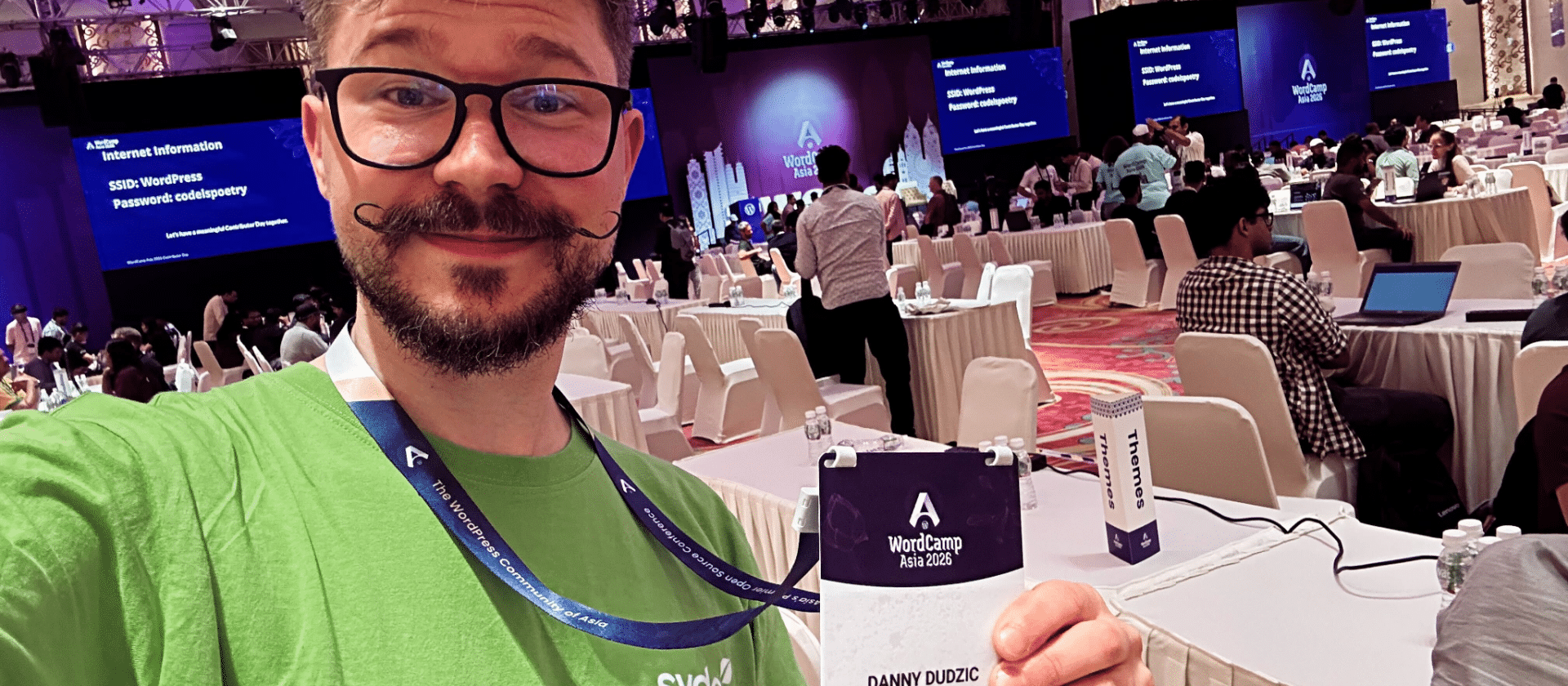
WordCamp Asia 2026 brought around 2,300 people to Mumbai across three days. Nearly double the amount of people to last year’s WordCamp Asia in the Philippines. For us, it was a chance to spend time with the PayPal and WooCommerce teams in person, connect with the wider WordPress ecosystem, and see what the people are talking about in the Asian WordPress communities. Let’s take a look at how it went!
Contributor Day
The event opened with Contributor Day, which tends to attract the people most invested in the platform rather than just the conference. Because it’s a bit more technical, Contributor Day tends to be quieter. But that doesn’t mean you can’t still find some really interesting people to speak with. We spent time meeting developers and agency leads from across the region, including several people already familiar with Syde and our work on MultilingualPress.
Two Days at the PayPal Booth
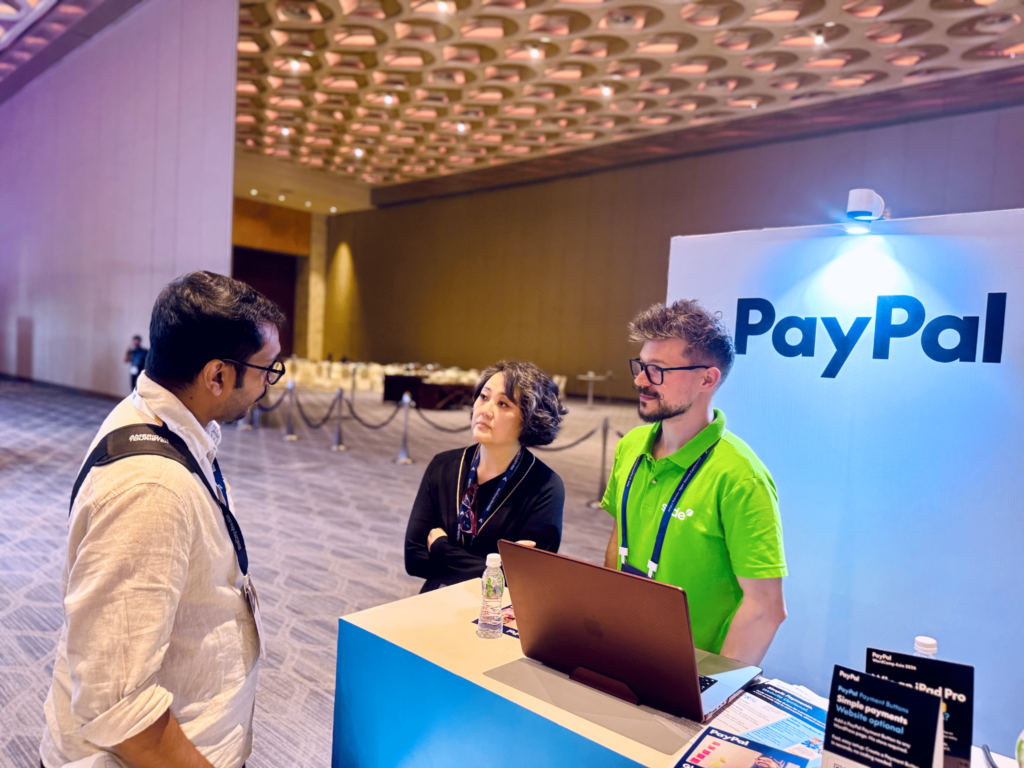
The main conference days were busy. We were present at the PayPal booth throughout, which had a ton of strong traffic from WooCommerce developers, store owners, and payment specialists. The conversations covered everything from plugin setup and integration questions to more substantive discussions about payment infrastructure and what the WooCommerce payments landscape looks like heading into the next few years.
What Questions Were People Asking?
One recurring theme across both days was merchant migration. Specifically, what it takes to move merchants to the current plugin versions without disruption. But the consensus from the conversations we had is that WooCommerce handles this considerably more smoothly than platform-level migrations from alternative providers, particularly when there’s good support behind it.
Subscriptions and memberships came up repeatedly as an area where friction still exists, which is a useful signal for where the ecosystem’s attention is going, and what direction solutions providers might be heading in over the coming years.
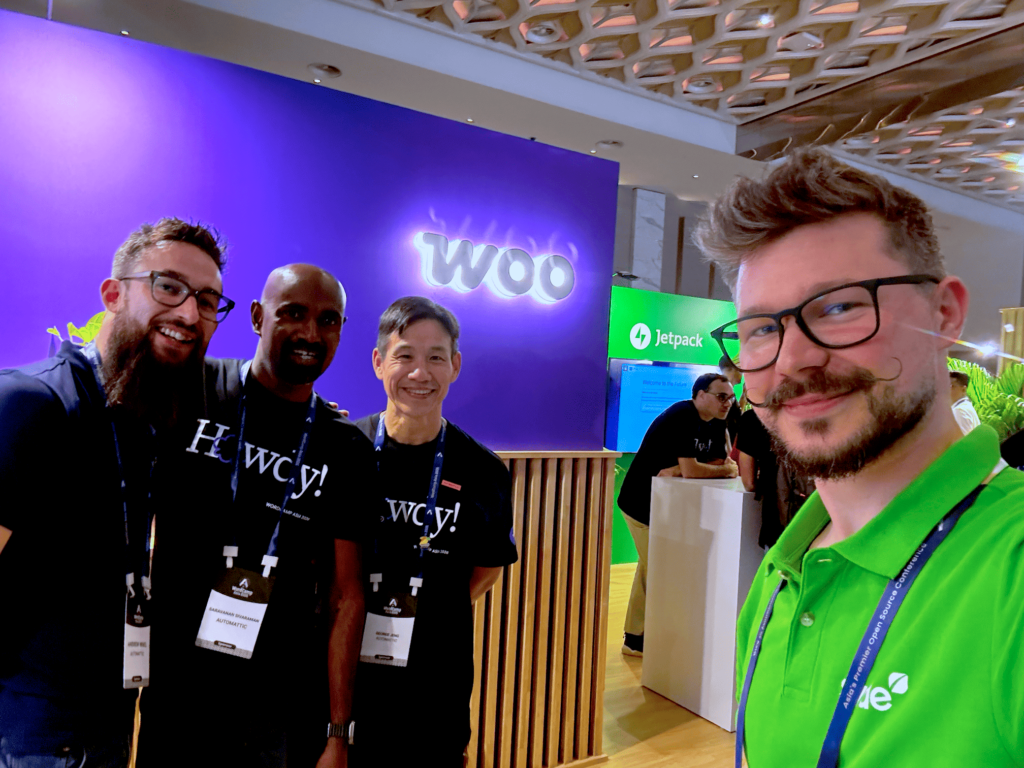
We spent a lot of time with the PayPal team across booth hours and the evenings, and a considerable amount of time with our good friends from WooCommerce. When everyone is spending more and more time staring at the little window of themselves in online meetings and screen times are through the roof, spending time face-to-face with our partners was a breath of fresh air. In-person conversations are (still) the best way to build trust and strengthen relationships. And when you can have them around some coffee and a few too many honey cakes, it definitely sweetens the experience.
The Conference Itself
Sessions ran across three tracks, Foundation, Growth, and Enterprise, with workshops running in parallel. Most of the workshops were genuinely well-attended and interactive, and seeing the attendance nearly double compared to last year really goes to show that the WordPress ecosystem and community are more than alive and well in Asia.
This year’s conference was full of engaging and informative presentations and speakers.
James LePage’s speech and presentation on AI and the distinction that content is not enough anymore, you have to own the means of distribution, was an incredibly relevant topic. And the Enterprise track carried a clear thread about what WordPress at scale is evolving toward. And the large-scale challenges it’s aiming to solve.
The closing ceremony brought two announcements worth noting:
WordCamp India is now officially happening, a significant moment for a community that’s been growing steadily and was very visible throughout this event.
And WordCamp Asia 2027 was confirmed for Penang, Malaysia, on April 9–11!
A Couple of Key Takeaways:
AI is becoming embedded in WordPress infrastructure.
It’s been amazing to see how much more integrated and capable AI has become in the WordPress ecosystem over the last few years. And this event was no different. What we’ve seen from both our own experience and from the broader WordPress knowledge base is that WordPress is quickly moving towards becoming the agentic platform. Workflows are getting more and more autonomous, and content publishing and commerce interactions are increasingly mediated by AI-driven logic. For anyone building in the WooCommerce and payments space, agentic checkout flows and autonomous transaction handling are less theoretical, and more realistic and implementable. The question now is how quickly can the ecosystem’s tooling catch up with the direction.
The Asian developer community is shaping global WooCommerce.
The talent pool in Asia is deep, technically sharp, and increasingly connected to international clients and platforms. As the community matures and more developers move into agency and product work to serve global markets, their influence and impact on WooCommerce’s direction is going to grow. The centre of gravity in the WordPress ecosystem is constantly changing, and it’s not where it used to be.
Why Events Like WordCamp Still Matter
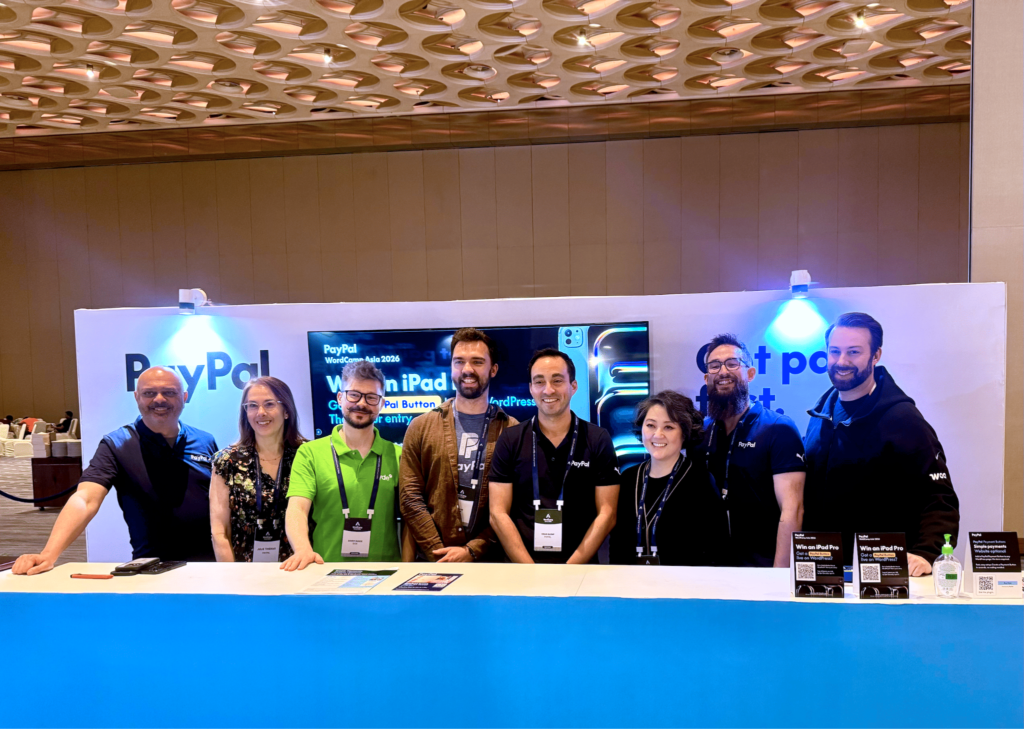
There’s a lot of reasons why WordCamps still matter and are more relevant than ever. If you’ve ever been to larger industry events or conferences, you know that the real value comes from everything surrounding them.
Mumbai reinforced that. We came away with a clearer picture of where the ecosystem is focused, what the community is thinking (and talking) about, and a set of follow-up conversations worth having. As well as some tasty little industry insights and ecosystem solutions that we’re going to start integrating into our own service offerings over the coming months. But for now, you’ll have to wait a little while until you read about those.
We’ll be back next year in Penang!
Related Articles
-

Syde Menu Cache: The Secret Art of Caching WordPress Menus
This post introduces the Inpsyde Menu Cache plugin, which lets you cache and re-use rendered WordPress navigation menus.
-

This is how you remove WordPress Hooks that use Closures and Object Methods
Get your introduction into WordPress hooks and strategies how to remove them – (with a package made by Inpsyde).
-

Director of Engineering Pablo Kauffman
Syde provides me a creative space to improve my skills in technology. That’s exactly what I was looking for.
Failed to submit:
one or more fields are invalid.