
The following blog post was created with content from the Scale Consortium.
Moving a large website to a new content management system (CMS) takes time and planning. Organizations may have years of content, processes and other business tools connected to their existing platform. There needs to be a clear reason to change.
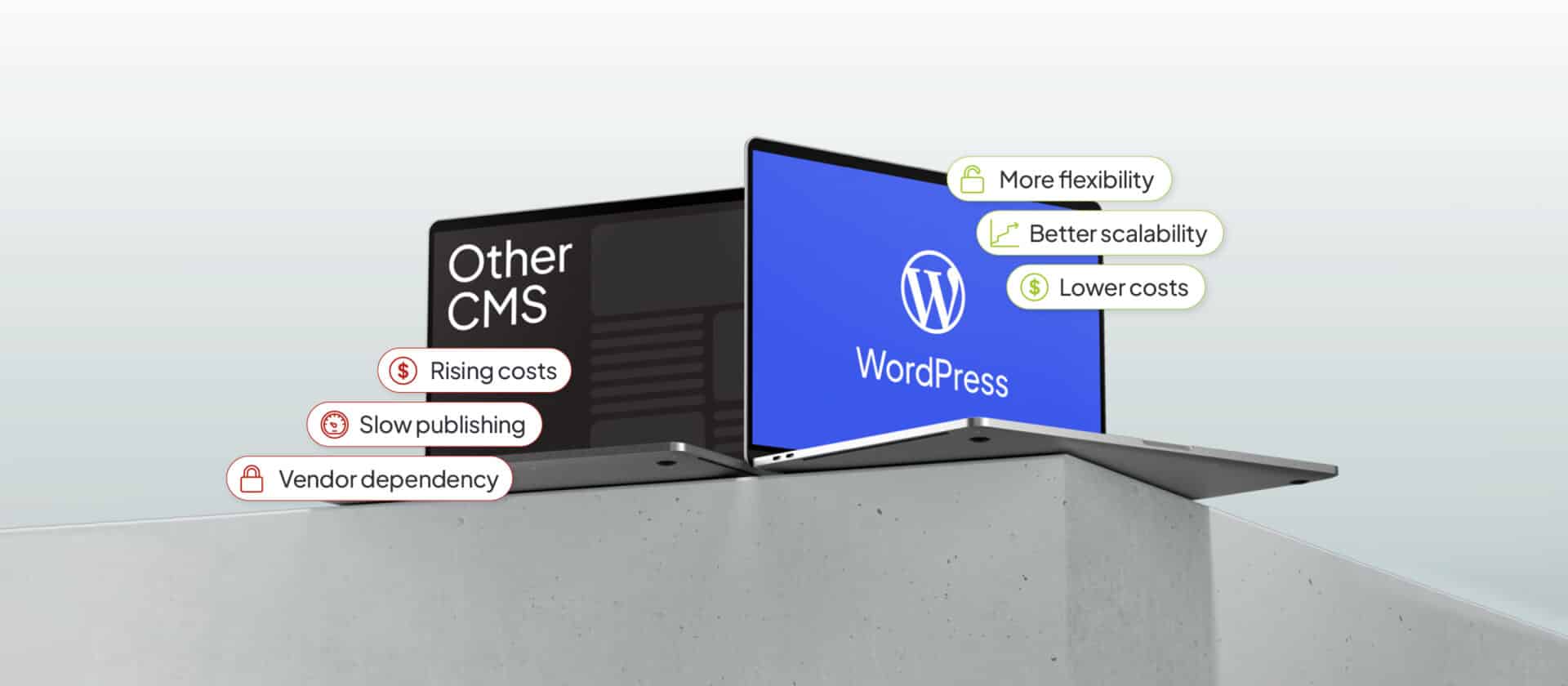
That reason often becomes clear when the existing CMS starts creating problems. Costs increase. Publishing takes too long. Simple changes require specialist help. Launching new websites becomes difficult. Or the organization finds itself increasingly dependent on one technology provider.
Rising CMS costs can trigger a change
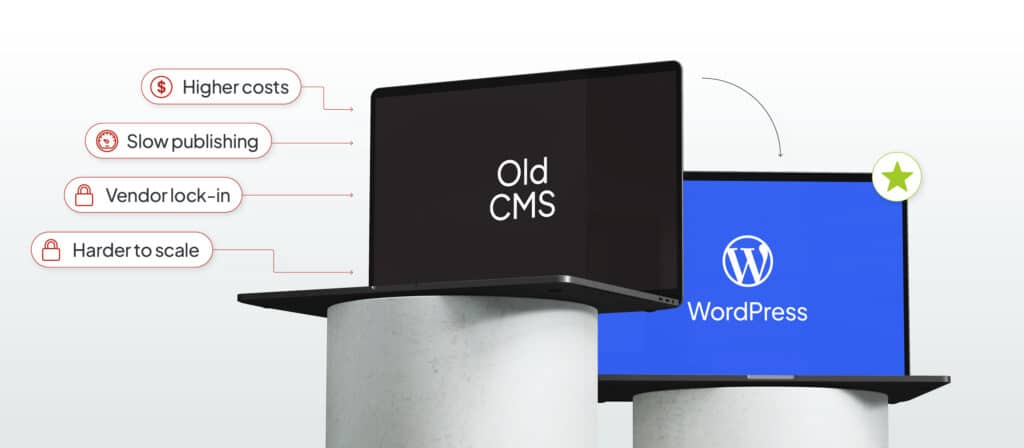
Enterprise CMS costs can include software fees, hosting, development, maintenance and support. Those costs can increase as the organization grows or needs more from the platform. At some point, organizations may start questioning whether they’re getting enough value from that spending.
WordPress has a different cost model because the software itself is open source and doesn’t have a CMS licence fee. Organizations still need to pay for things like hosting, development, security and support, but they can decide how and where that money is spent. The reason to consider WordPress isn’t simply that it can cost less. It’s that organizations have more choice over what they pay for and who they work with.
Depending on one provider can limit your choices
Some CMS platforms are owned and controlled by a single company. This can mean that organizations depend on that company for the platform, its future development and sometimes the services surrounding it.
That dependency becomes more noticeable when something needs to change. The organization may want to work with another partner, connect a new business tool or change how its websites are managed. WordPress is open source, so no single company controls the platform. Organizations can choose who develops and supports their websites and where those websites are hosted.
This gives enterprises more freedom to change partners or providers without automatically having to change their CMS as well.
Content teams need to publish without unnecessary delays
Publishing can become frustrating when content teams need developer support for everyday work. Creating a new page, changing a layout or launching campaign content can turn into a request that has to wait for someone else. That becomes a bigger issue when the same team supports several brands, departments or countries.
WordPress can give content teams more control over everyday publishing. Developers can create approved page designs and content options that editors can then use themselves. This allows developers to focus on more complex work while content teams handle routine updates without waiting for technical support.
Managing more websites can become difficult
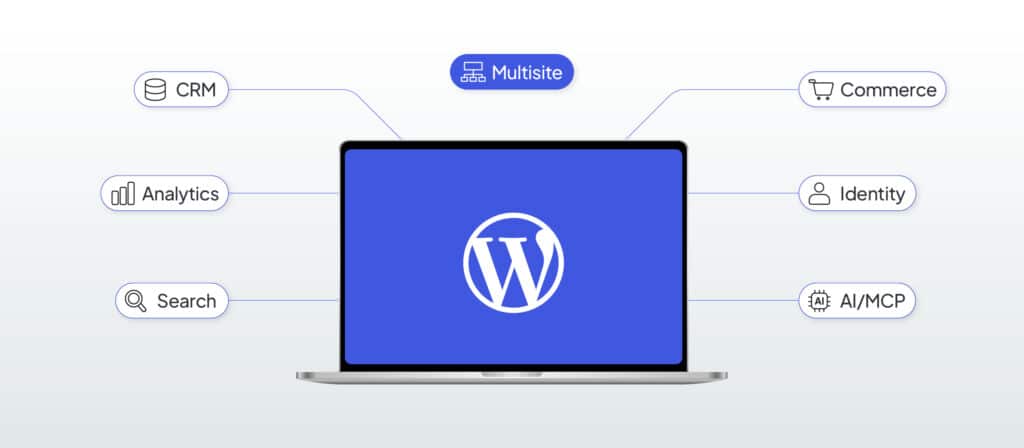
An organization may start with one website and gradually add more for different brands, countries, products or services. Managing those websites separately can create more work. Teams may have to maintain different systems, repeat the same updates and manage websites in different ways.
WordPress can support many websites and different teams from the same platform. Organizations moving to WordPress can use this approach to bring more of their websites onto the same technology. WordPress Multisite is one way to do this. Put simply, it allows an organization to manage multiple WordPress websites together rather than treating every site as a completely separate setup.
Websites need to work with other business tools
A company website rarely works alone. It may need to share information with tools used for customer management, analytics, marketing, search, ecommerce or other parts of the business. WordPress can connect with many common business systems. Many popular tools already have ways to connect with WordPress, and more specific connections can be created when needed. The important point for enterprise teams is simple: the CMS can work as part of the wider technology setup rather than forcing the organization to build everything around it.
Organizations need room to change their CMS
The CMS an organization chooses today may still be running years from now. During that time, the organization may launch new brands, enter new markets, change technology partners or introduce new ways of publishing content. WordPress gives organizations more control over how they respond to those changes because the platform isn’t owned by one company. They can choose different developers, hosting companies and support partners without having to replace WordPress itself.
Enterprise WordPress migrations start with a reason to change
Moving to WordPress makes the most sense when the existing CMS starts getting in the way.
It might be costing too much. Content teams might be waiting too long to publish. Managing multiple websites might have become difficult. The organization might depend too heavily on one provider. Or connecting the website with other business tools might require too much work.
For teams reviewing their current CMS, three questions can help:
- What is our current CMS making more expensive or difficult than it needs to be?
- Where are teams losing time because of the platform?
- How much freedom do we have to change providers, partners or the way our websites work?
These questions shift the conversation away from comparing long lists of CMS features. Instead, they focus it on something more useful: whether the current platform is still helping the organization do what it needs to do.
Related Articles
-
Digital Sovereignty in an Increasingly Dependent World
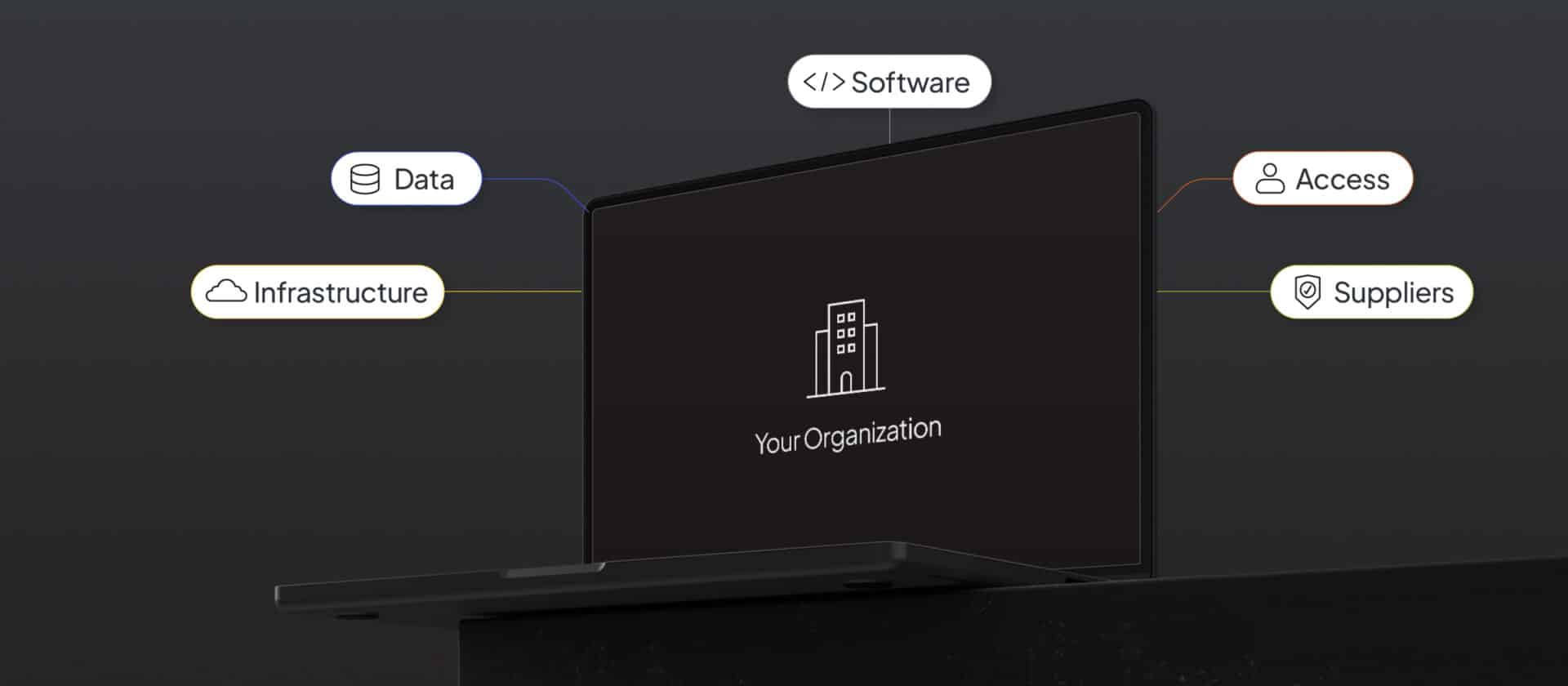
Digital sovereignty isn’t about removing third-party providers, but building an architecture that gives you the freedom to choose which providers you use.
-
PaaS vs Self-Hosted WordPress: What You Should Know
Choosing between a managed PaaS environment and a self-hosted WordPress setup is one of the more consequential decisions a digital team can make.
-

WordCamp US 2026 Recap
4 Days packed with lots of great talks, lots of great people, and lots of not so great heat. Phoenix was a blast!
Failed to submit:
one or more fields are invalid.