
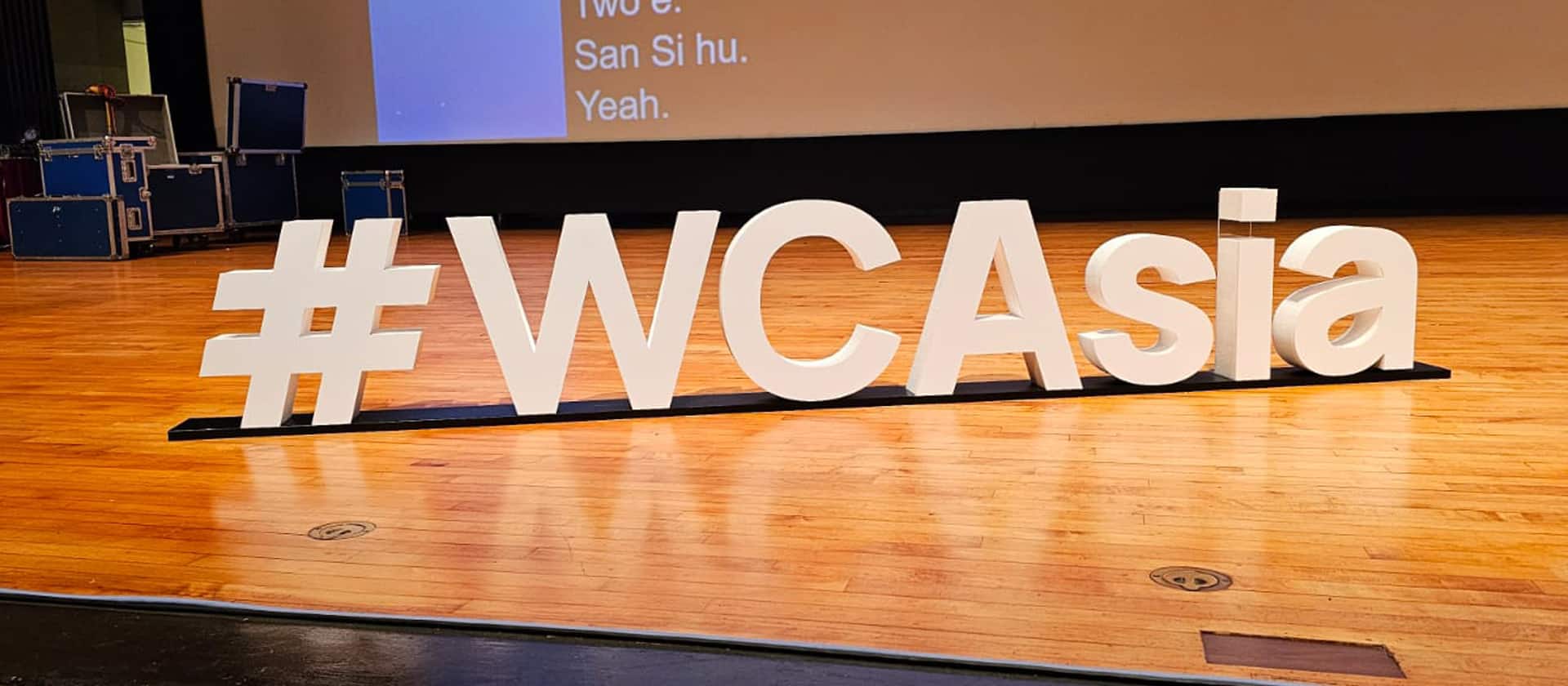
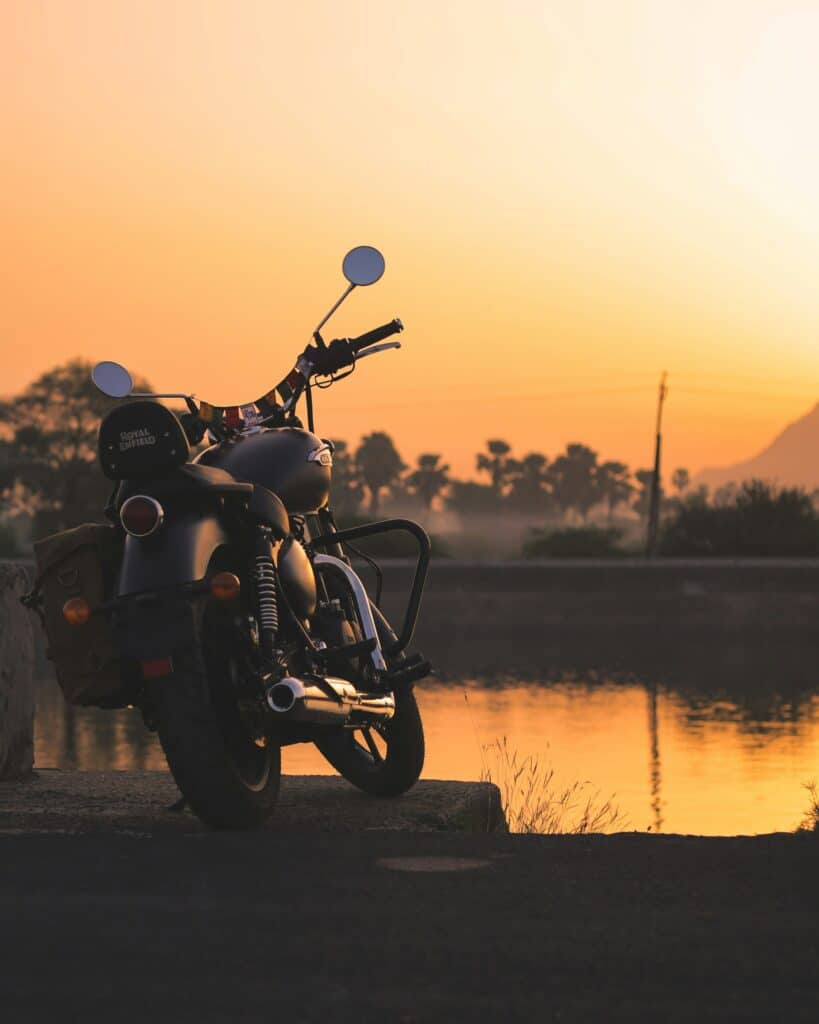
When Mumbai was announced as the host of WordCamp Asia 2026, my thoughts quickly drifted away from the web and towards motorcycles, and the story of a legendary brand from India.
I’ve been riding for about four years now. I’m drawn to classic, heritage motorcycles — the Triumph Bonnevilles, with their old-school charm and a focus on character over specs. Recently, I’ve found myself watching Royal Enfield videos late at night, ogling the Continental GT 650 (the “Mr. Clean” trim with the striking chrome cafe racer tank and chassis) — what a stunning machine! And one with a wild history behind it.
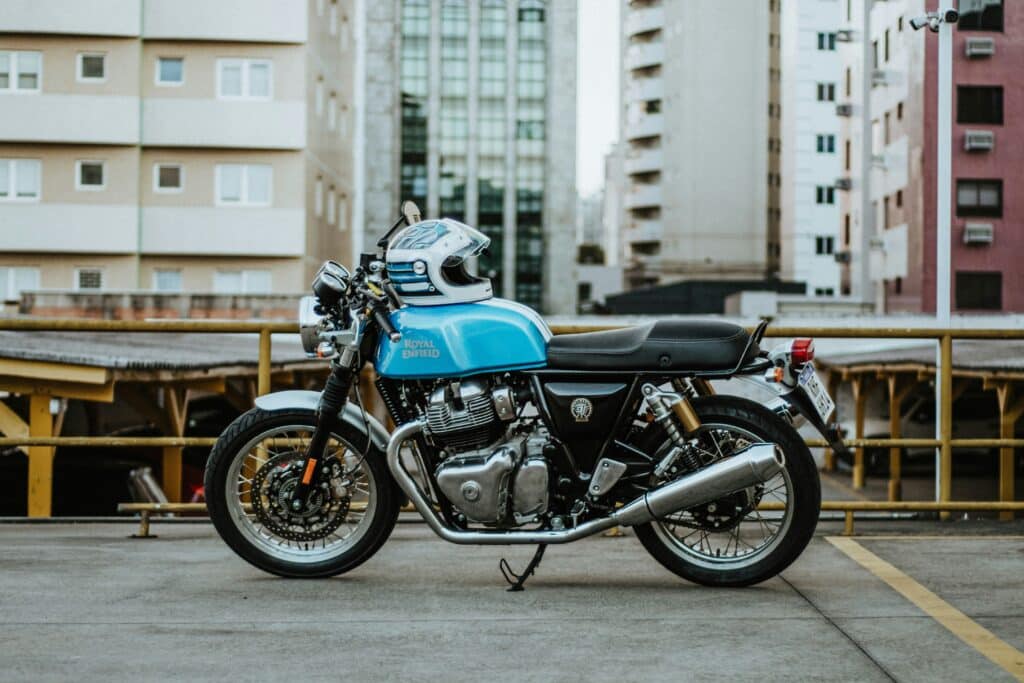
For me, motorcycling is leisure. A way to clear my head. A hobby.
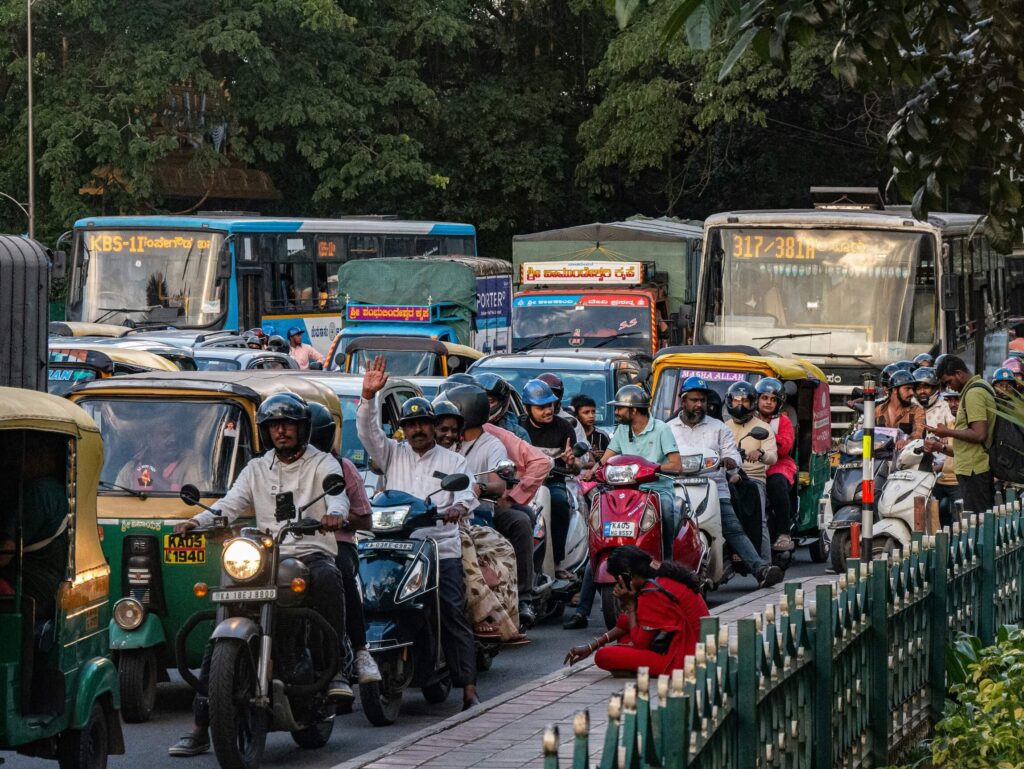
In India, it’s something else entirely. Motorcycles are the backbone of transportation — over 200 million registered two-wheelers, families of four navigating rush hour traffic, entire livelihoods strapped to the back of a bike.
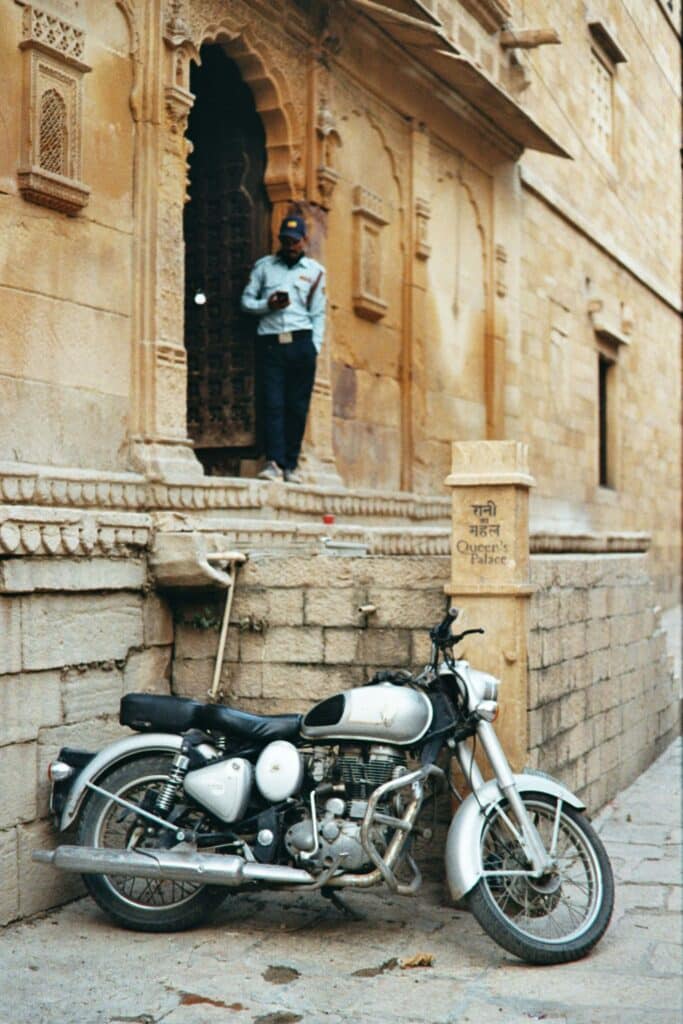
And then there’s Royal Enfield. Not just a brand — an institution. The oldest motorcycle company in continuous production, woven into the country’s identity for over seventy years. It’s national pride. It’s communities built around Sunday rides and chai stops. It’s a machine people pass down to their kids.
And in 2000, it nearly died.
Siddhartha Lal was 26 years old. His family’s company, Eicher Motors, owned Royal Enfield — and the board wanted to kill it.
The brand had been bleeding money for years. The factory could build 6,000 bikes a month, but was barely selling 2,000. Word on the street was that Eicher was finished — the family was selling out.
But Siddhartha saw something different. He asked the board for a chance to save it — and they agreed, not out of confidence, but because the business could hardly get any worse.
What he did next baffled the business analysts.
Instead of commissioning market research or optimizing production costs, he spent months riding across India, talking to riders. Just listening. He wanted to understand what they were actually looking for. Not what the market data said. What the riders said. Why people were drawn to these machines — temperamental, oil-leaking, unreliable, or so the reputation went — when Japanese bikes were faster, cheaper, and actually started on the first kick.
What he discovered changed everything.
Royal Enfield riders didn’t care about speed. They didn’t care about fuel efficiency. They barely cared about reliability (which was good, because Royal Enfield didn’t have much to offer there). What they cared about was the feeling. The deep, rhythmic pulse of that old cast-iron engine. The vibration you felt in your chest. Riders had a name for it: the “thump.” (Or in Hindi slang: dug dug.)
Years later, when engineers finally replaced the problematic cast-iron engine with modern aluminum, they faced a choice. They could optimize for smoothness — that’s what the specs would suggest. Instead, they preserved the original long-stroke architecture — the geometry that creates that deep, rhythmic pulse. They kept the thump.
Today, two decades later, Royal Enfield sells more motorcycles in India than Harley-Davidson sells worldwide. Siddhartha Lal is now Executive Chairman. And the company that everyone wanted to shut down is now worth billions. (If you want the full business case study, The Economic Times’ article is worth reading.)
So what does this have to do with WordPress?
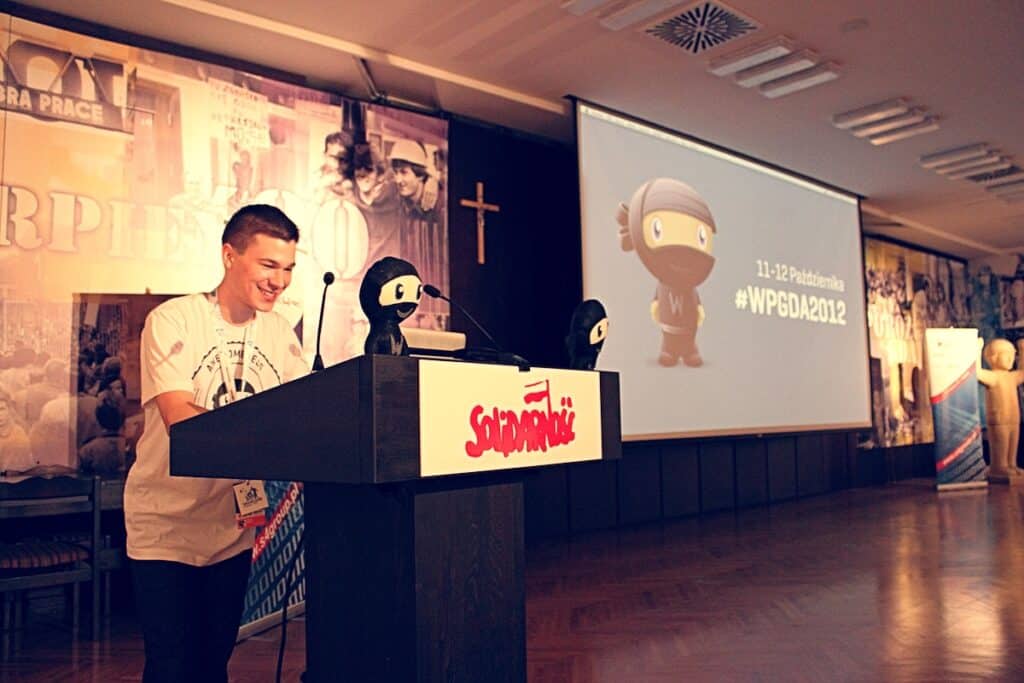
I’ve been in the WordPress community since 2009. I’ve seen it evolve, go through drama, go through innovation and scandals and rewrites and forks. I’ve watched people leave and watched new people arrive. And I’m still here — not out of habit, but because something keeps me coming back.
I think it’s the same thing those Royal Enfield riders feel.
Both are entry points. Every year, Royal Enfield is the first “real” motorcycle for thousands of new riders in India. Every year, WordPress is where millions of people build their first website, launch their first store, start their first business.
But entry point doesn’t mean training wheels. WordPress powers over 40% of the web — not 40% of CMS-driven sites, 40% of all websites. WooCommerce runs on nearly 9% of the entire internet and holds a third of the global ecommerce market.
In capable hands, both scale as far as you want to take them.
And underneath all of that are the contributors who show up year after year — the builders, the plugin developers, the theme designers, the volunteers. The people who treat this ecosystem like it matters. Because it does.
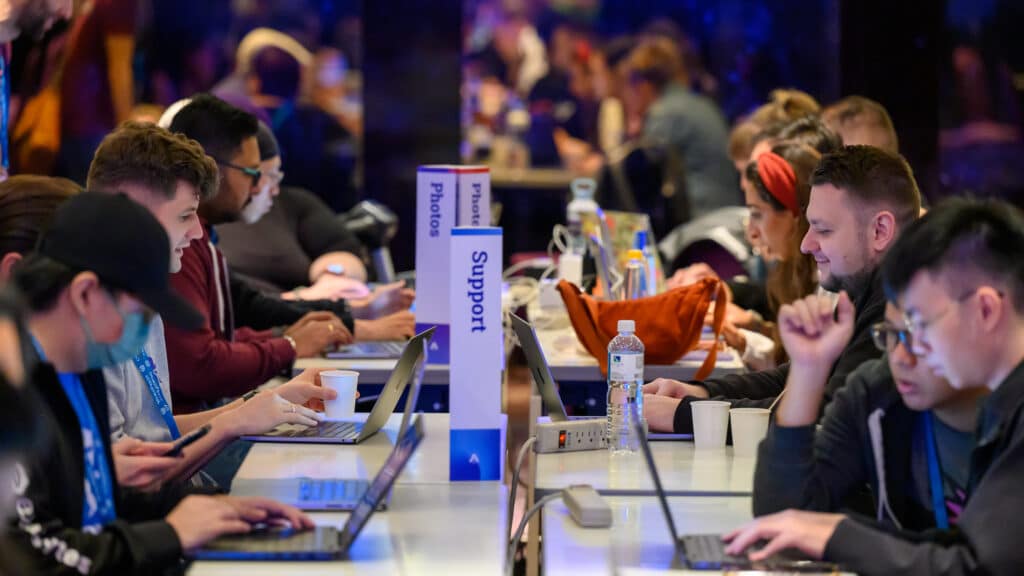
Yet both keep getting dismissed by people reading the wrong metrics. Too old. Too clunky.
This mirrors the mistake the analysts made in 2000. The Japanese bikes looked better on paper — faster, cheaper, more reliable. But Siddhartha Lal went to the chai stops and discovered that the specs were missing the point.
Today’s Royal Enfields are modern machines — fuel-injected, reliable, built to last. But they kept what mattered. Same with WordPress.
The latest version of this mistake is thinking AI will replace what we do because it can write code. But AI is good at specs. And specs are exactly what Royal Enfield riders didn’t care about.
When everything measurable gets optimized — what’s left? The trust. The feeling that someone actually understands your problem. The judgment that comes from years inside an ecosystem, knowing its rhythms, its unwritten rules. Mastery requires time, community, and the kind of knowledge that doesn’t fit in a prompt.
That’s the thump. That’s why enterprise agencies like Syde exist.
The tech will keep changing. Royal Enfield has a new liquid-cooled platform now. WordPress has React and the Block Editor and the Interactivity API. The engines are different. But the soul isn’t — and that’s what the spreadsheets keep missing.
I’m still thinking about that Continental GT 650, by the way. The specs are modest — 47 horsepower, nothing that would impress anyone at a track day. But every rider I’ve talked to mentions the same thing: the feel of it. The way it makes you want to take the long way home.
That’s not something you can put on a spec sheet either.
Maybe I’ll finally test ride one in Mumbai? 🏍️
If you’re heading to WordCamp Asia 2026, come say hi — I’ll be at the PayPal booth. We can talk payments, motorcycles, or why the thump matters. Either way, I’d love to meet you there.
See you in Mumbai! 👋
Interested in working at Syde?

Failed to submit:
one or more fields are invalid.