
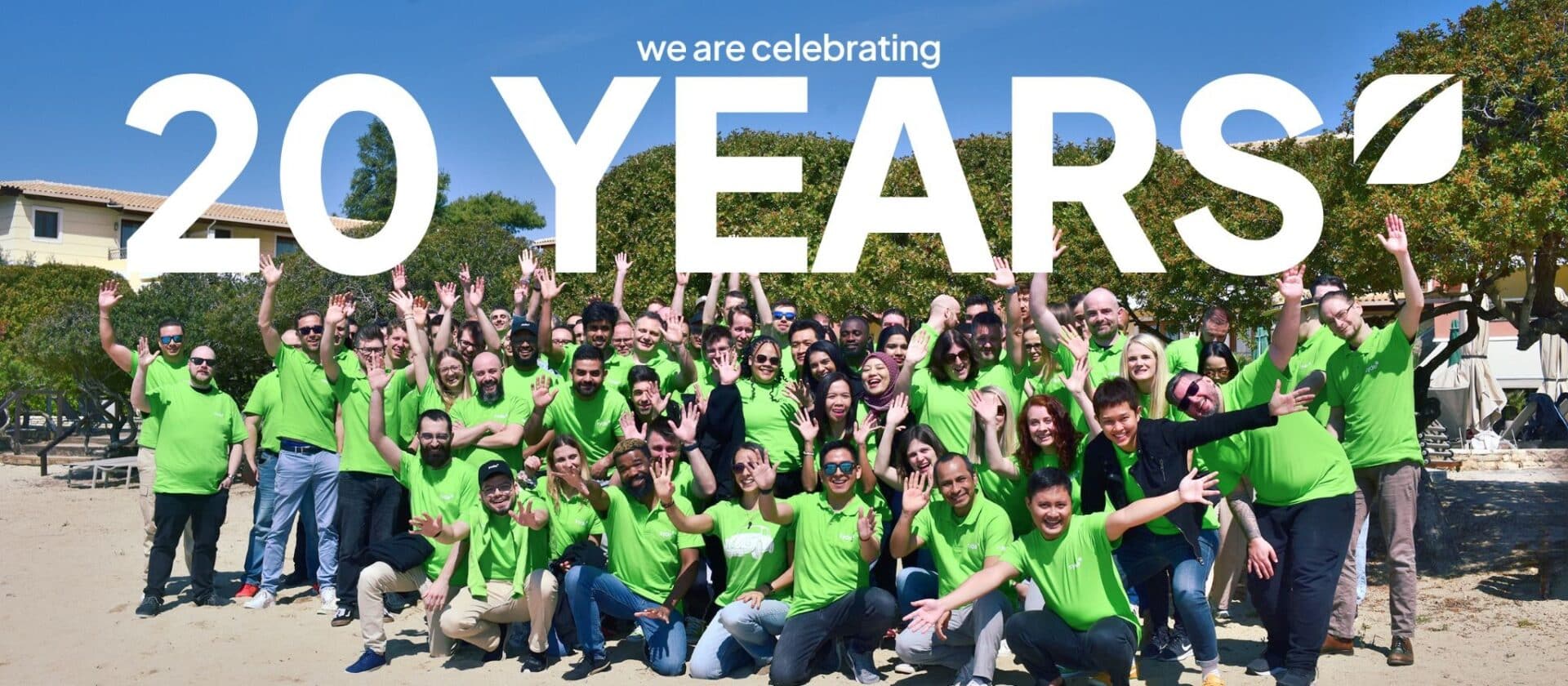
At first, we were just a part of the German WordPress community that shared a love of WordPress, a passion for open source, and no particular plan beyond collaborating, tinkering, and building. Now, twenty years later, we’re over 130 people strong across more than 40 countries, and we’ve built some of the most complex WordPress platforms on the planet.
2006: Founded as Inpsyde GbR
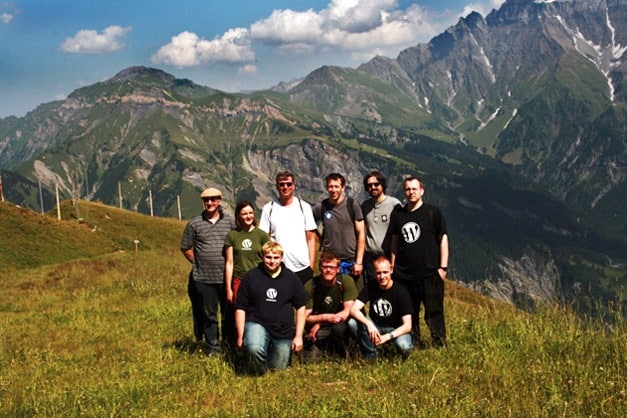
The founding team. Back row left-right: Heinz Rohè, Annette Foelske-Schmitz, Olaf A. Schmitz, Frank Bültge, Heiko Rabe, Robert Windisch. Front row left-right: Dennis Morhardt, Robert Pfotenhauer, Olaf Baumann.
We launched under the name Inpsyde as the first pure WordPress agencies in Germany. From the start, we were contributors as much as builders. Robert Windisch (today: CIO at Syde), Heinz Rohé, Frank Bültge, Olaf Schmitz, and a few other passionate WordPress lovers started the German WordPress community, translating new WordPress releases into German and building the infrastructure that would make WordPress accessible to a non-English-speaking audience. Heinz and some of the others from the core community co-founded the WordPress-Deutschland forum in 2004, 13 months after WordPress itself was released. With over 19,000 active users at its peak, and over 200,000 posts covering more than 40,000 topics, it became the primary hub for German-speaking WordPress users for years to come.
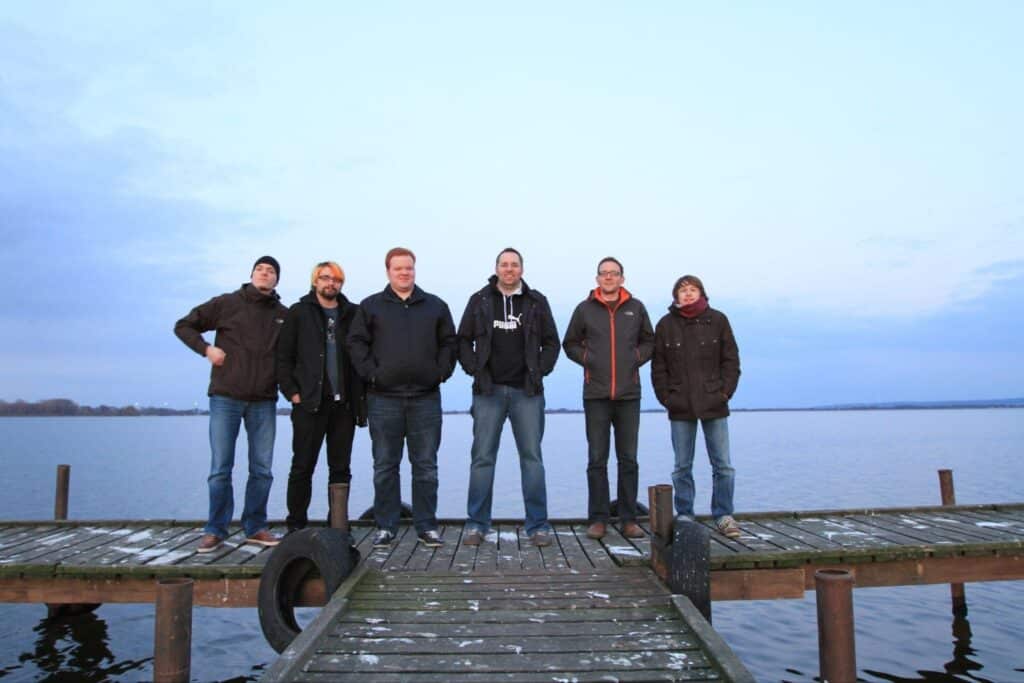
The early, early, early days. From left to right: David Naber, Laura Herzog, Daniel Hüsken, Alex Frison, Rene Reimann, Eric Teubert
As a limited company, we wanted to utilize our income from our agency work to support and develop the WordPress community, create greater opportunities for programmers in the WordPress field and to help organize WordCamps in Germany. Looking back over the last 20 years, it’s amazing to see the impact our teams have had in helping to build the larger European WordPress community.
2008–2010: Plugins, Community, Early Clients
These years were defined by building. We released the first version of MultilingualPress to address a problem that had no good solution at the time: managing content properly across multiple languages within a single WordPress installation. We began implementing it with larger, multinational clients, with arte.de being one of the notable clients to implement it across their digital platform.
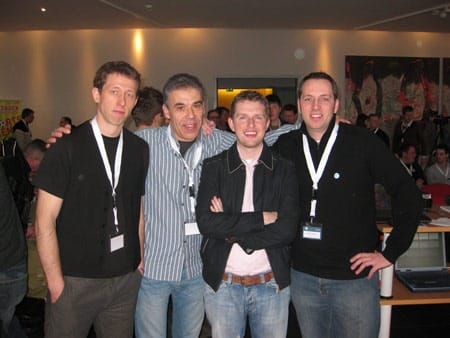
Alongside the plugin work, our teams also organized WordCamps Germany, including WordCamp Jena 2009 which was joined by Matt Mullenweg, the Cofounder of WordPress, Wordcamp Berlin 2010, and later Wordcamp Cologne 2011.
Frank Bültge (Co-Founder of Syde), Michael Preuß (WP Engineer), Matt Mullenweg (Co-Founder of WordPress) and Alex Frison (Co-Owner of Syde)
Robert Windisch became a fixture at WordCamps internationally, and our teams continued to become more and more embedded in the WordPress community and its events over the coming years.
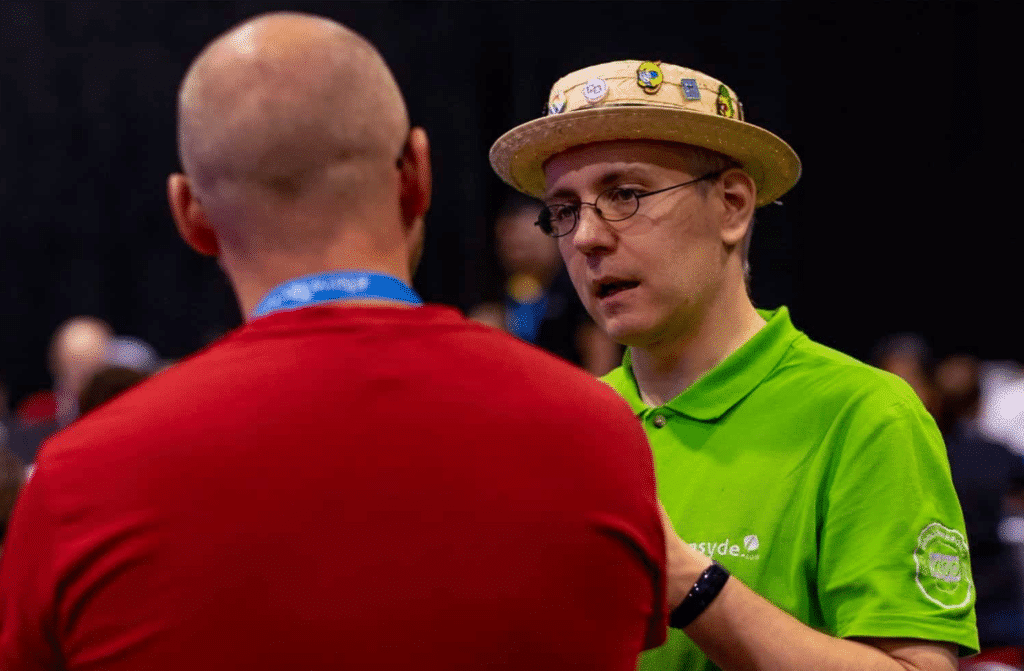
Robert Windisch at a WordCamp event in Europe back when his hat still had plenty of badge real estate.
As our expertise in building for, and with, WordPress increased, we started working with clients to share our knowledge and help them solve some of the challenges they were facing. This is when our client work started increasing steadily as we took on custom WordPress development projects of greater complexity (while building a reputation for technical expertise).
2011–2015: Scaling Up
The years between 2011 and 2015 is when the real growth started to happen. The team expanded, the projects got larger, and we started working with bigger organisations across Germany and the rest of Europe. Daniel Hüsken, the developer of BackWPUp, one of the first serious WordPress backup plugins and one of the most downloaded plugins in the WordPress directory, joined us in 2012 to bolster our plugin and client-enablement capabilities. And Robert’s pin-filled hat became something of a mascot at international events.
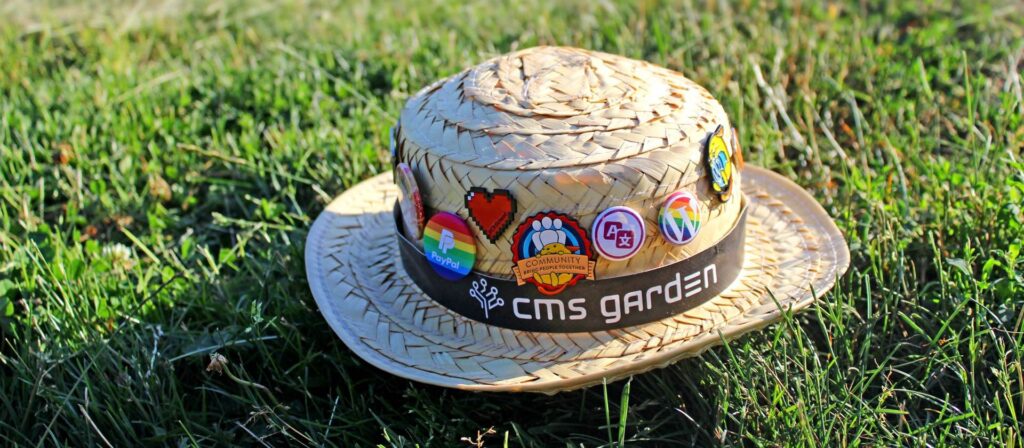
Robert’s hat sometimes likes to sit alone in a field and contemplate life.
This period also required a lot of internal restructuring and organizational management. As our company got larger and larger, and the projects got more and more complex, we had to continually adapt our organizational structure to meet the needs of our clients, while also maintaining our core principles of remote work and global talent management.
We became known as the go-to WordPress agency for technically demanding projects in Europe, particularly those involving multinational architecture and multilingual requirements. And it’s something we continue to excel at today. We also started to get involved more and more in the WooCommerce and the eCommerce space. During this period our teams of exceptional developers created “WooCommerce German Market”, a WooCommerce plugin that’s still one of the most popular WooCommerce plugins in Germany today.
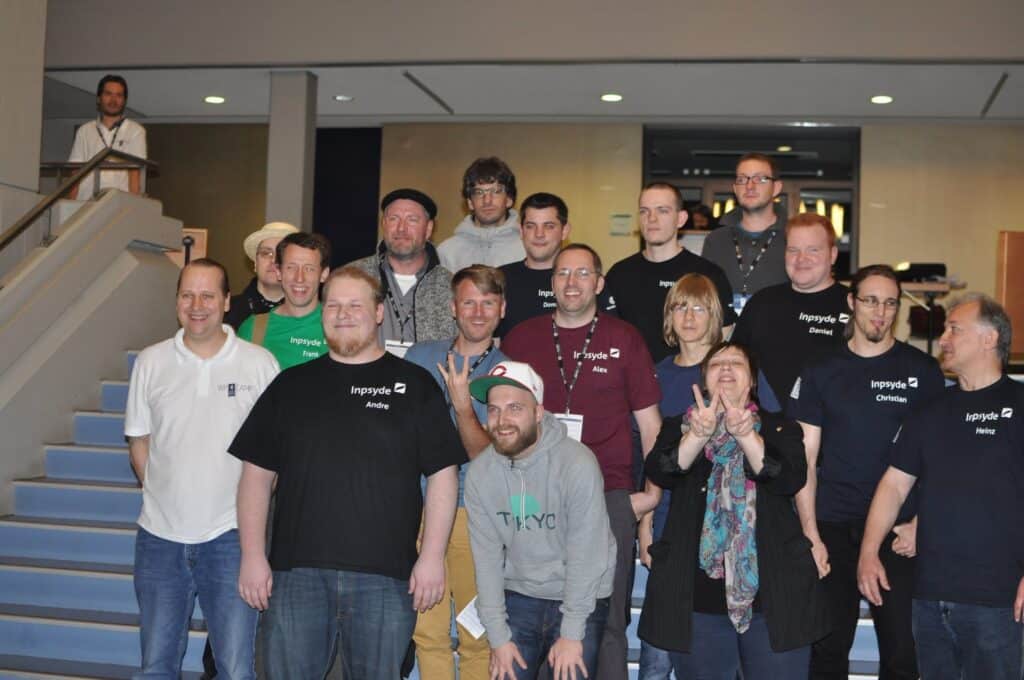
The early days at WordCamp Germany 2013 (no green shirts yet, but the smiles were as big as ever).
2016–2019: Enterprise Focus and the WordPress VIP Partnership
By 2016, the majority of our work was with large multinational organisations. We formalized that direction and began building out the service structure to match: strategy and consulting, architecture, custom development, performance, security, accessibility, QA, and infrastructure, and long-term maintenance. During this period, we became a WordPress VIP Agency Partner, marking our entry into the highest tier of the WordPress ecosystem. WordPress VIP is the enterprise platform used by some of the world’s largest media and technology organisations, and the partnership reflected the level we were operating at.
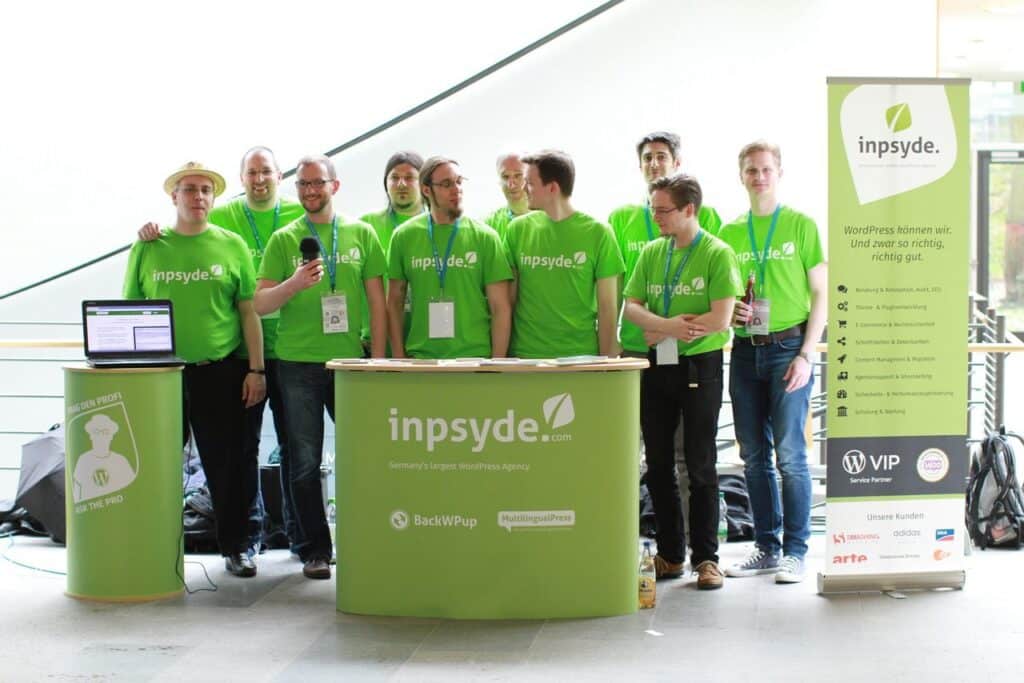
Green is the new black! The Syde team at WordCamp Germany nearly 10 years ago.
Our partnerships also began to grow larger and larger. We began working with PayPal Germany to create payment solutions and plugins for the German market. This relationship grew to a global level when we started working with PayPal International to solve complex global payment infrastructures for WooCommerce which enabled retailers and brands from all over the globe to offer fast, secure payment solutions to their customers.
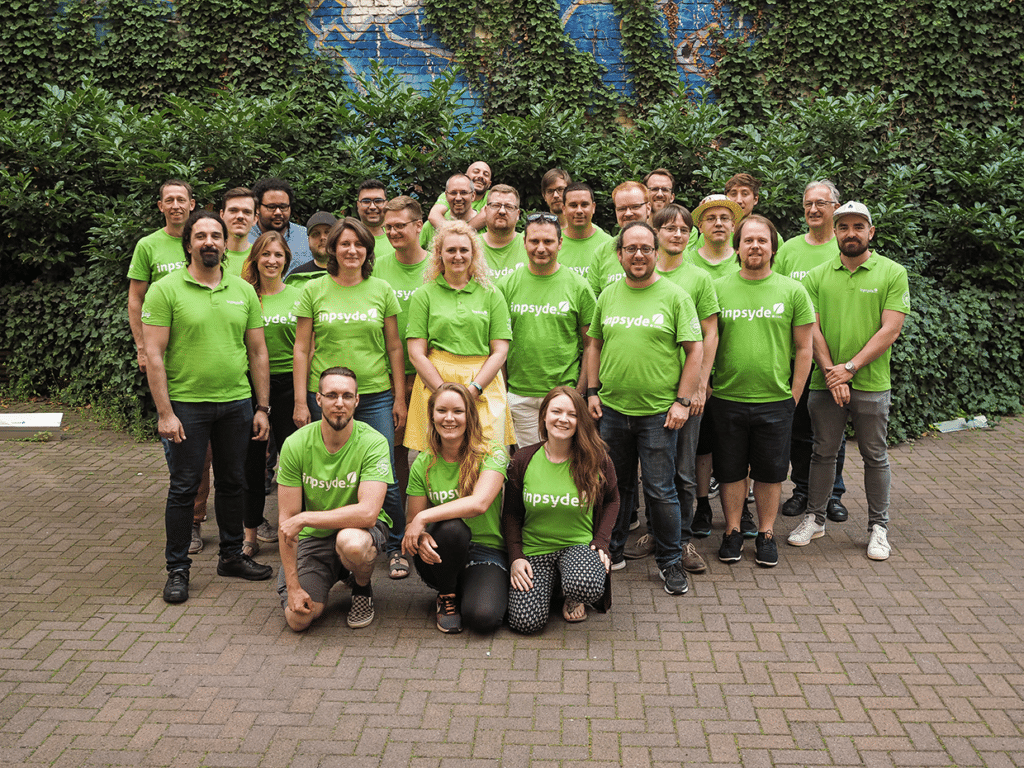
The Syde team in 2019. It’s amazing to see how far we’ve come!
2020–2023: Growth Through Complexity
The years that followed brought some of our most significant work. Our partnership with WooCommerce since 2016 saw us become a Platinum Certified WooExpert, winning the WooExpert Innovation Award for our contribution to the WooCommerce payments ecosystem. We built and maintained enterprise WordPress platforms for pharmaceutical companies, global payment providers, and large industrial groups, many of them spanning dozens of markets and multiple languages.
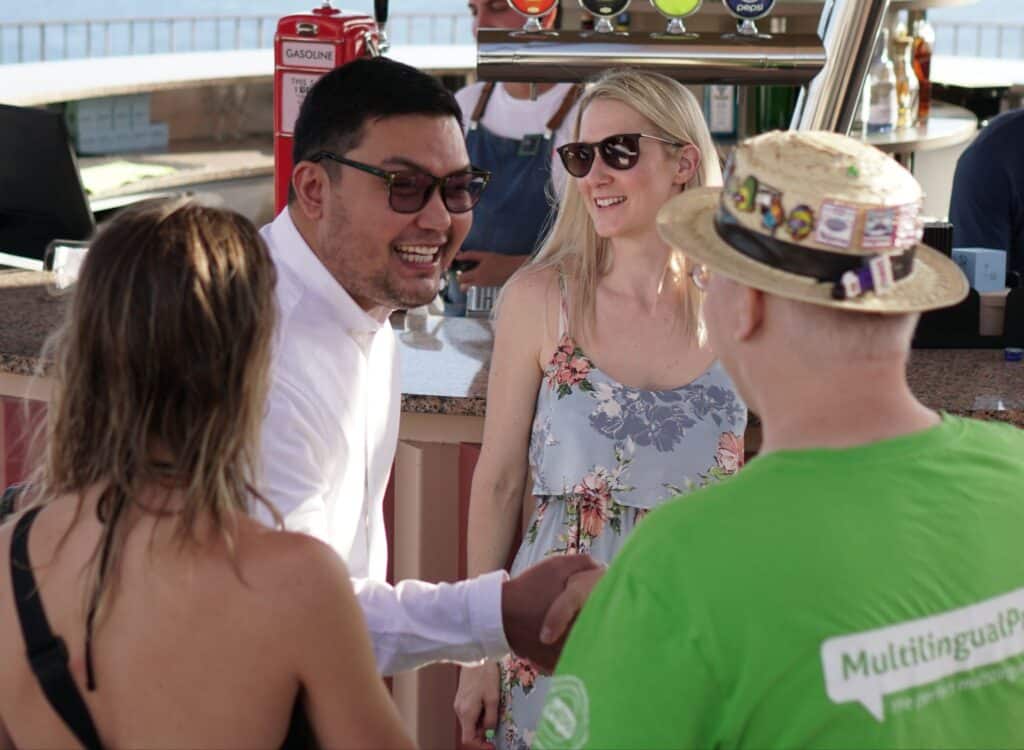
Robert (and Robert’s hat) at an internal company meetup.
In 2023, MultilingualPress, the little plugin that could, became AI enabled to handle the full complexities of large multinational website requirements across borders and languages. Today, after multiple improvements and iterations, it remains one of the clearest examples of our team’s contributions to the enterprise WordPress ecosystem over the last two decades.
Through all of this, we remained fully remote. The Syde team grew to span more than 40 countries, which by this point was simply how we worked rather than a point of differentiation.
2024–2026: Twenty Years Later and We’re Just Getting Started
We just turned twenty! The work is the most complex it’s ever been. Our talent is the best it’s ever been. And the WordPress ecosystem we’ve been part of since the beginning is more relevant to the enterprise digital experiences of our clients than ever before.
In 2024 we rebranded from Inpsyde to Syde, a simpler, more optimized name for the brand it represents. The old name had served us well, but the company had outgrown it. Our team was international, our work was global, and the new name reflected where we actually were and where we were heading.
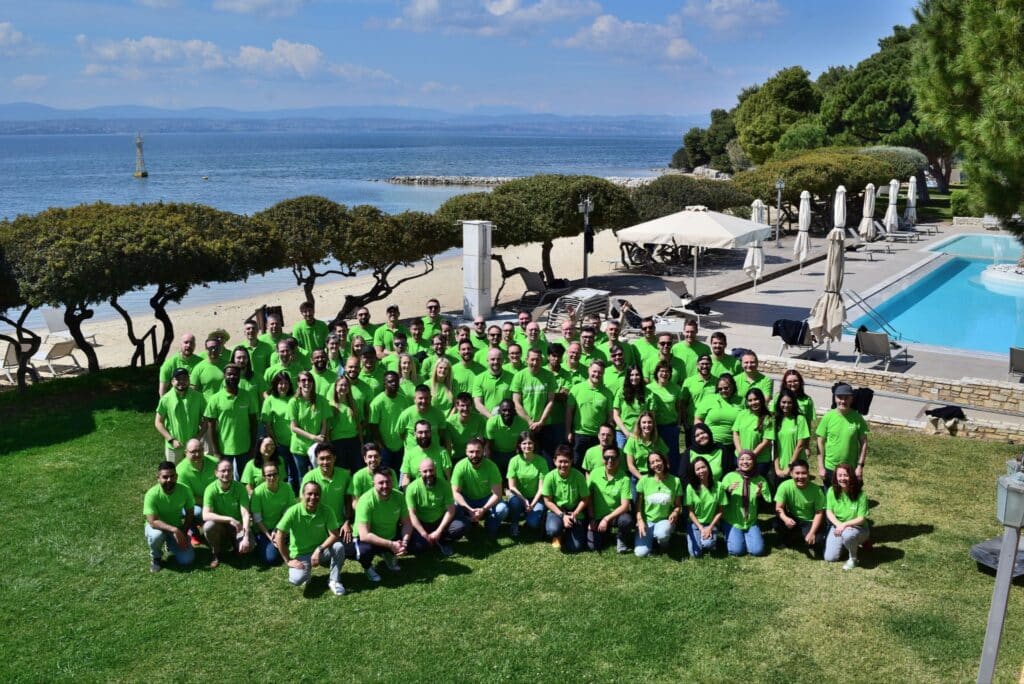
Some of the best and brightest minds in the WordPress ecosystem!
A lot has changed since 2006. The platform has matured, the clients have grown, and the problems we’re solving look very different from the early plugin work and late-night translation sessions. But it’s the things that haven’t changed that we think are even more important. The care and attention with which we approach the work, the connection and commitment to the open-source community, and the love for building great things is what got us here in the first place. And it’s something that we’re going to keep very close to us for the years to come.
What comes next? The digital landscape is changing. With AI becoming more and more present in everything we do, we see it as an enabler of our mission. And as it continues to evolve and develop, we’re seeing more and more challenges being solved with the power of these incredible tools.
Even though enterprise challenges are becoming more complex and more globally pressing, our core ideals and values will remain the same: Embed a deep care for our work in everything we do, continue to enable our clients to maximize their digital presence and online capabilities, and stay rooted to the community and the people who’ve gotten us here in the first place.
Twenty years is a milestone worth marking. We’re proud of what’s been built, and we’re looking forward to the next 20 years of Syde. If you’ve been one of the clients who’s worked with us along the way, one of our own who’s helped contribute to this incredible journey, or one of the partners who’ve made what we do possible, we’d like to say a very warm and heartfelt thank you. We wouldn’t be here without you.
Here’s to the next 20!
Related articles
-
Digital Sovereignty in an Increasingly Dependent World
Digital sovereignty isn’t about removing third-party providers, but building an architecture that gives you the freedom to choose which providers you use.
-
PaaS vs Self-Hosted WordPress: What You Should Know
Choosing between a managed PaaS environment and a self-hosted WordPress setup is one of the more consequential decisions a digital team can make.
-
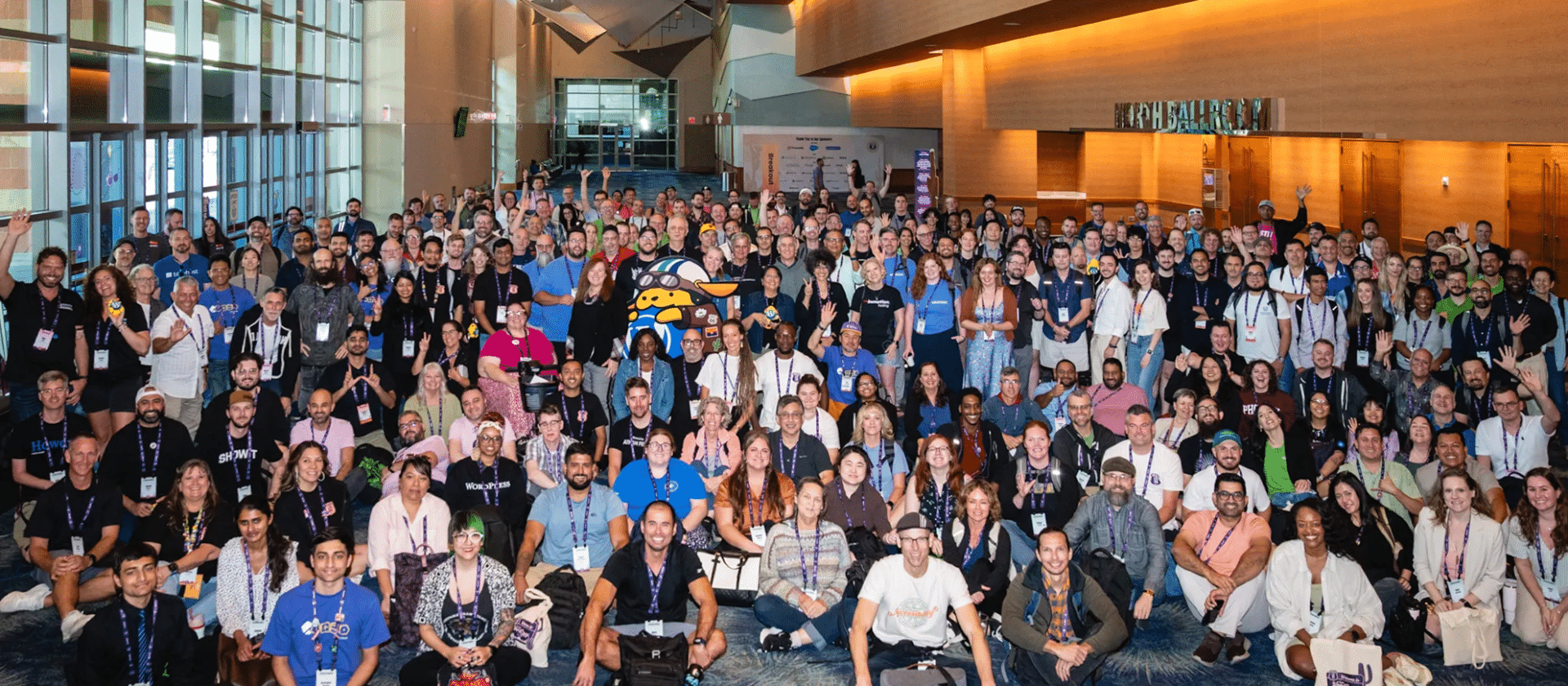
WordCamp US 2026 Recap
4 Days packed with lots of great talks, lots of great people, and lots of not so great heat. Phoenix was a blast!
Failed to submit:
one or more fields are invalid.